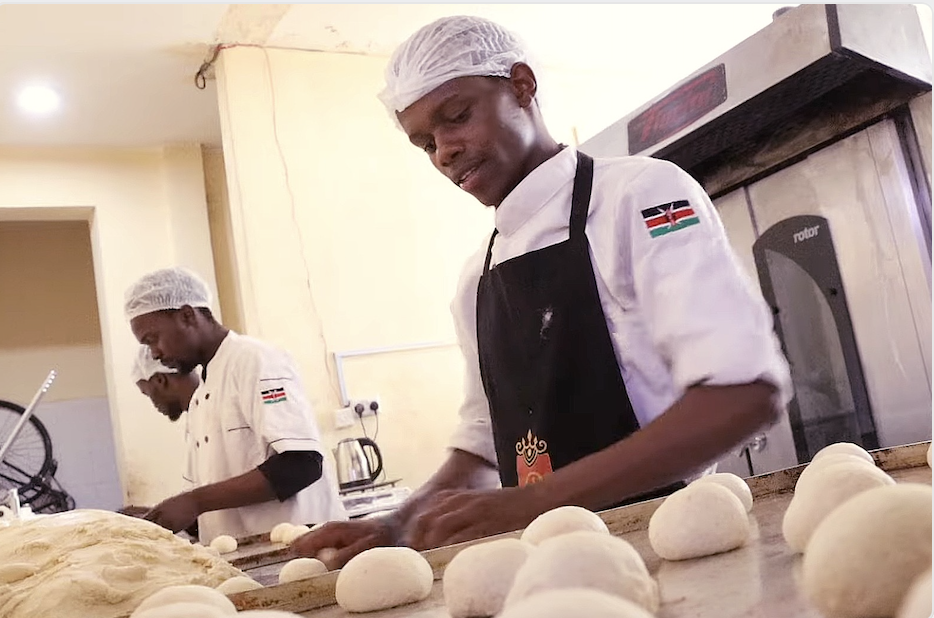

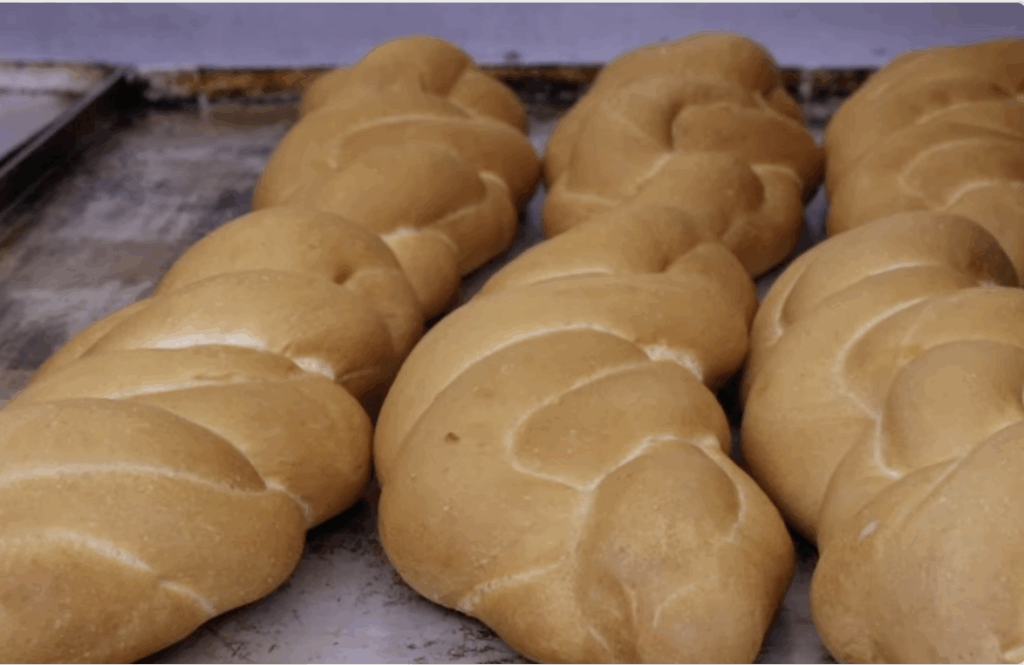
Inside the bustling kitchens of Asal Bakery, the warm aroma of fresh bread, golden pastries, and cinnamon rolls curls through the air like an invitation. Behind the counters, trays clatter softly, dough rises, ovens hum. Hands move in swift, graceful gestures. This is not just a bakery. It is a living, breathing symbol of inclusion, built through purpose, passion, and the belief that everyone deserves a chance to thrive.

Wednesday is International Day of Persons with Disabilities under the theme “Fostering disability-inclusive societies for advancing social progress.” Asal Bakery stands as a shining example of what true inclusion looks like in action. It is a space where dignity is restored, opportunities are created, and deaf youths step into their futures with confidence and pride.
According to the World Health Organization, an estimated 1.3 billion people, 16 percent of the global population, live with a significant disability. Disability is a natural part of the human experience, yet persons with disabilities face deep inequities, including stigma, discrimination, poverty, limited access to education and employment, and systemic barriers. Many experience poorer health outcomes, have twice the risk of conditions such as depression, diabetes and stroke, struggle with inaccessible transport, and may die up to 20 years earlier than those without disabilities.

In this global context, models like Asal Bakery, based in Kenya, offer a powerful counter-narrative showing what becomes possible when inclusion is intentional, structured, and embraced by communities.
At the heart of this quiet revolution is CEO Ismail Omar Hassan, a visionary who transformed a small neighborhood bakery into one of Kenya’s leading examples of disability inclusion. Together with a team of extraordinary deaf youths, he is reshaping narratives, breaking barriers, and proving that ability, not hearing, defines excellence in the workplace.

For many young deaf professionals, Asal Bakery is far more than a workplace. It is a training ground, a second home, and a launchpad for dreams once thought unreachable. Through hands-on skills training, mentorship, leadership development, and meaningful employment placements, the bakery has sparked a transformation that ripples far beyond its walls.
Growing confidence, skill, and independence
One of the engines driving this transformation is Samuel Musembi, a seasoned deaf baker and youth trainer whose story embodies resilience and growth. Through his mentorship, countless deaf youths not only now have skills but also purpose.
“I’ve seen many positive changes in the youths I train,” Musembi shares. “Some have returned to school, even to university, because they finally believe they deserve a chance. Others have started their own businesses or built strong foundations for their families. They’ve gained confidence, independence, and a true sense of purpose.”
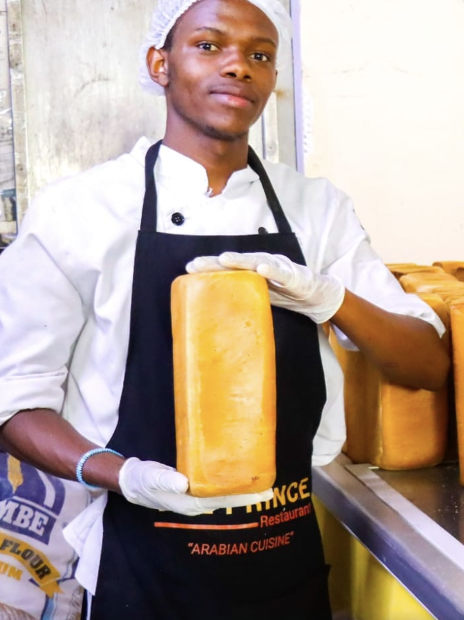
Under his guidance, young bakers learn more than how to knead dough. They learn discipline, teamwork, patience, problem-solving, and self-belief. The kitchen—once intimidating—becomes a space of empowerment, creativity and belonging.
“In the beginning, working in the kitchen was physically demanding and tiring. But once I mastered the techniques and pace, it became much easier to manage. A typical day usually runs smoothly, though we experience very busy periods during peak seasons such as Christmas, Eid, and Diwali,” Musembi adds.
A model of inclusion that works flawlessly
At Asal Bakery, over 90 percent of the workforce is deaf or living with a disability. This isn’t symbolic—it’s a deliberate, transformative commitment that far exceeds Kenya’s 5 percent government requirement.
And the results speak for themselves.
“Disability is not inability. When you remove barriers and give people a chance, talent rises,” says Hassan.
“Our deaf youths are disciplined, hardworking, and incredibly creative. They don’t just work here, they thrive here.”
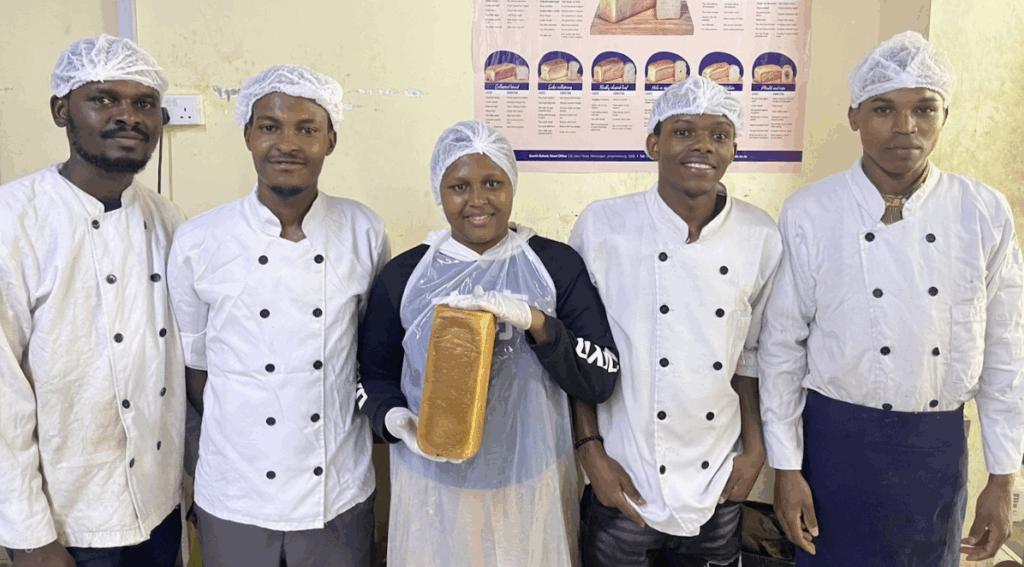
This success has inspired ripple effects across the community. Clothing shops, grocery stores, and supermarkets nearby have begun hiring deaf youth after witnessing the bakery’s excellence. What began as a local bakery is now a catalyst for disability-inclusive employment across the region.
“During busy hours, we communicate efficiently using sign language as our primary method. Many of our hearing colleagues and regular customers have also learned basic signs, which helps create a smooth and inclusive environment. When needed, we write things down to ensure accuracy, and our hearing staff steps in to bridge communication so there are no barriers. This teamwork allows us to stay coordinated and provide excellent service even during the busiest times,” Musembi explains.
Challenges that still stand in the way
Despite their skills, many deaf youths still struggle to secure jobs.
“Some employers think hiring deaf people is expensive,” Musembi explains. “They fear communication issues or assume we always need interpreters. Others simply underestimate our abilities. What they often don’t realize is that sign language allows us to communicate directly and effectively with each other and even with hearing colleagues who learn basic signs. With simple tools like signing, writing notes, or occasional interpreter support, communication is smooth, efficient, and does not create additional costs or obstacles.”
Misconceptions remain persistent. Even with supportive legislation, enforcement is weak, and many talented deaf youths continue to be excluded not because they lack ability, but because society lacks understanding.
Asal Bakery has shown how easily communication barriers can be broken.
“Communication is a skill we can all learn. Inclusion is a choice. If SMEs (Small and Medium-Sized Enterprises) and big companies embraced deaf talent, Kenya’s workforce would be transformed,” Hassan emphasizes.
Expanding the vision: Beyond the bakery
Asal Bakery’s ambitions reach far beyond its ovens. The team is laying the foundation to expand into clothing and textile production, retail enterprises, and sustainable farming—each designed to create more jobs, more training, and more opportunities for deaf youth across Kenya.
“Our goal is to build an economy where everyone has a place,” says Hassan.
“We want deaf youths to work, earn, create, lead and inspire the next generation.”
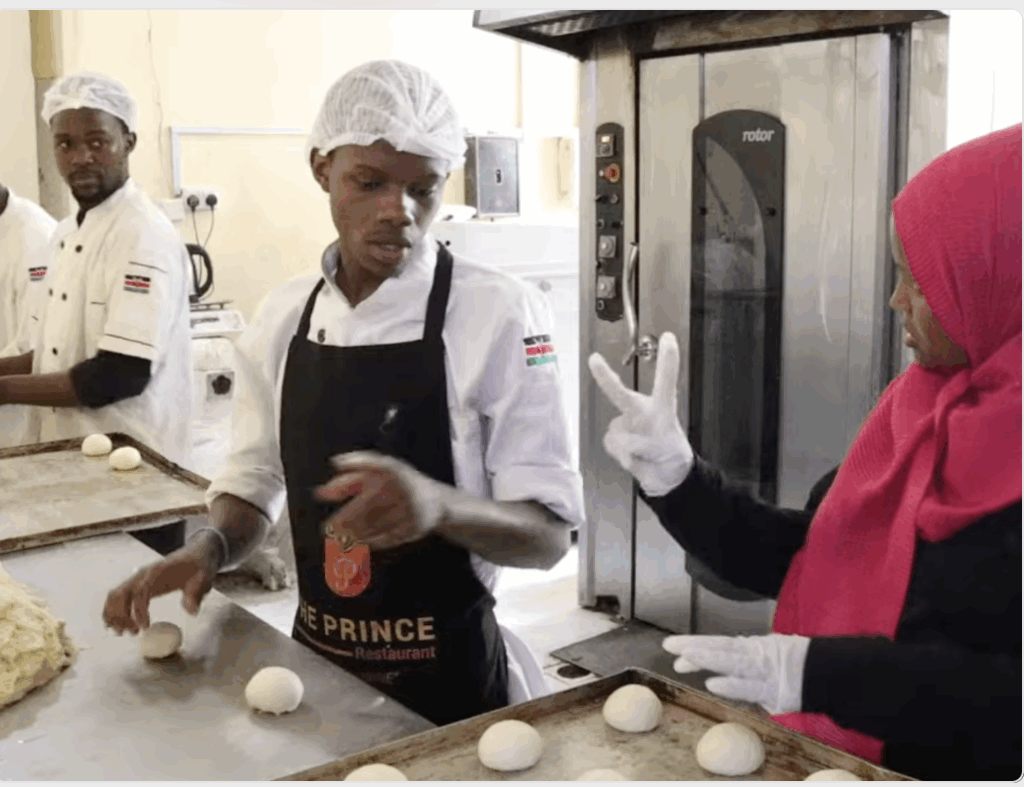
With strong partnerships, funding, and national support, Asal Bakery hopes to train thousands, turning inclusion into a nationwide movement aligned with the spirit of the International Day of Persons with Disabilities.
Changing mindsets, changing lives
More than anything, Musembi hopes society will embrace a simple truth:
“Deaf youths are talented, capable, and hardworking. Being deaf doesn’t limit our ability; it only means we communicate differently.”
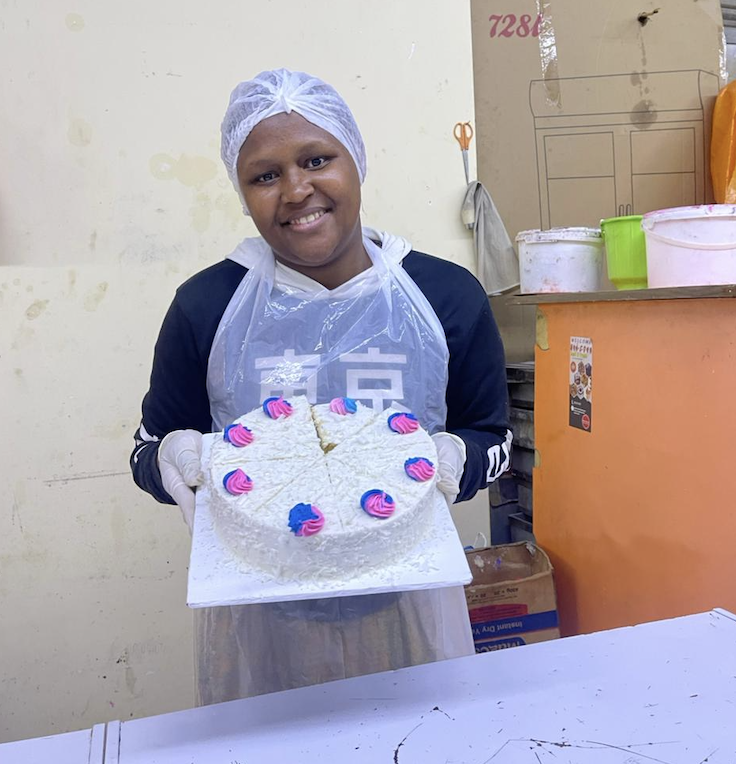
To young deaf people aspiring to join the hospitality industry, the message is clear: have patience and stay motivated. Learning the skills takes time and dedication, but with persistence, you can achieve your goals and build a rewarding career.
“The problem is not deafness, the problem is society refusing to listen. If you give these youths opportunities, they will surprise you. They surprise me every single day.” Hassan says passionately.
A movement fueled by hope and determination
In the warm, rhythmic world of Asal Bakery, dough is kneaded, pastries take shape, and dreams rise sometimes slowly, sometimes boldly, but always steadily. This is more than a bakery; it is a quiet revolution, a place where inclusion is baked into every loaf and where silence speaks loudly.
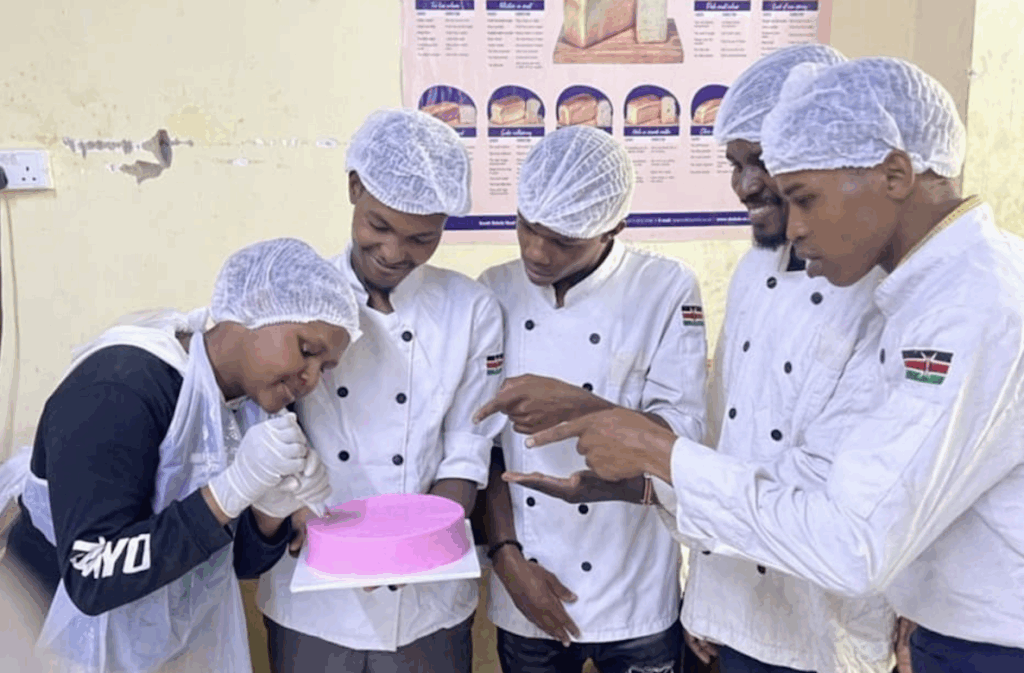
Here, deaf youths reclaim their futures with pride, strength, and unstoppable ambition. Asal Bakery is proving one cinnamon roll, one job, one dream at a time that inclusion isn’t charity. It is power. It is an opportunity. It is the recipe for a better Kenya.